Seedcopter
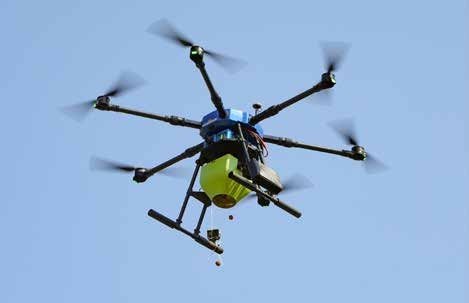
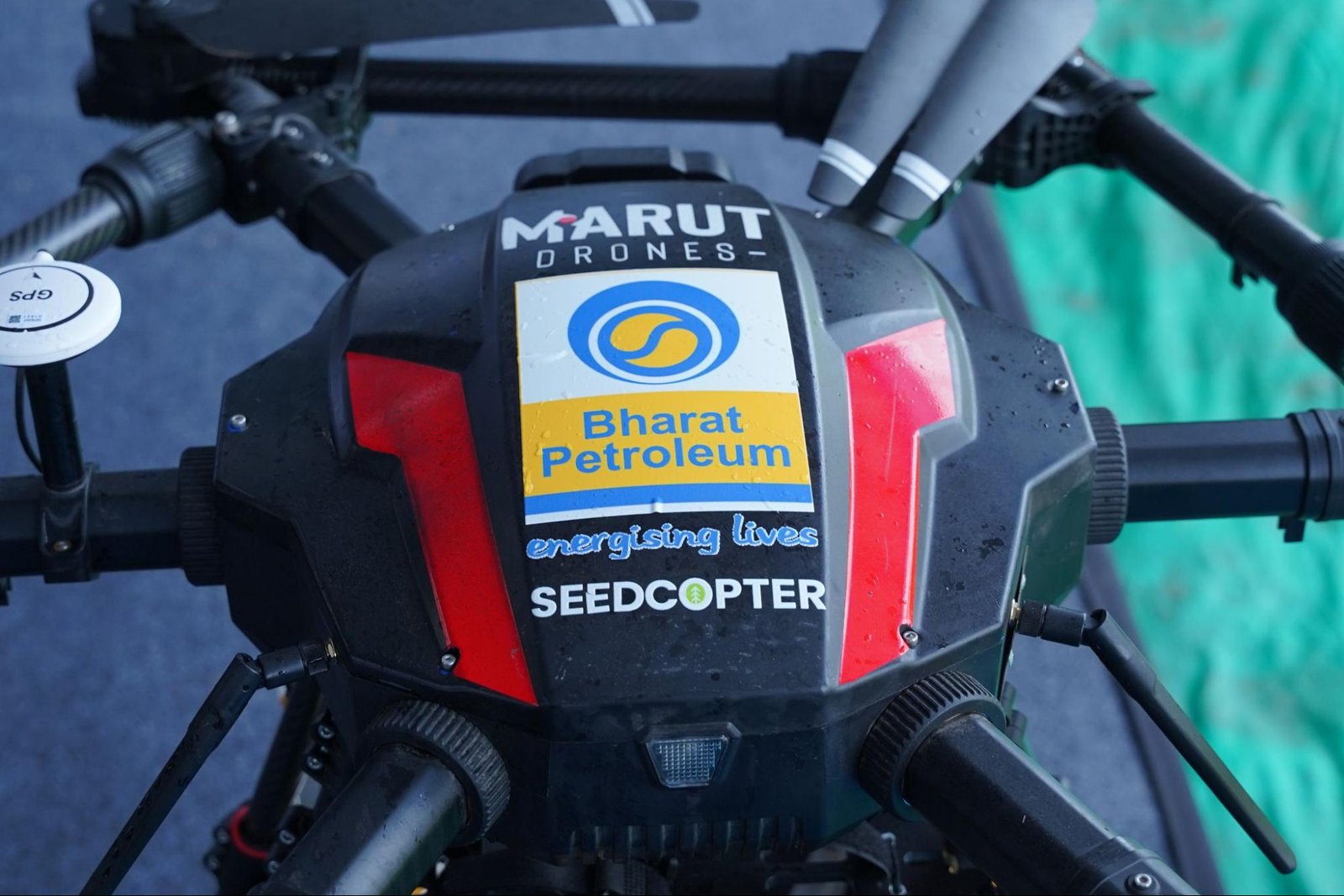
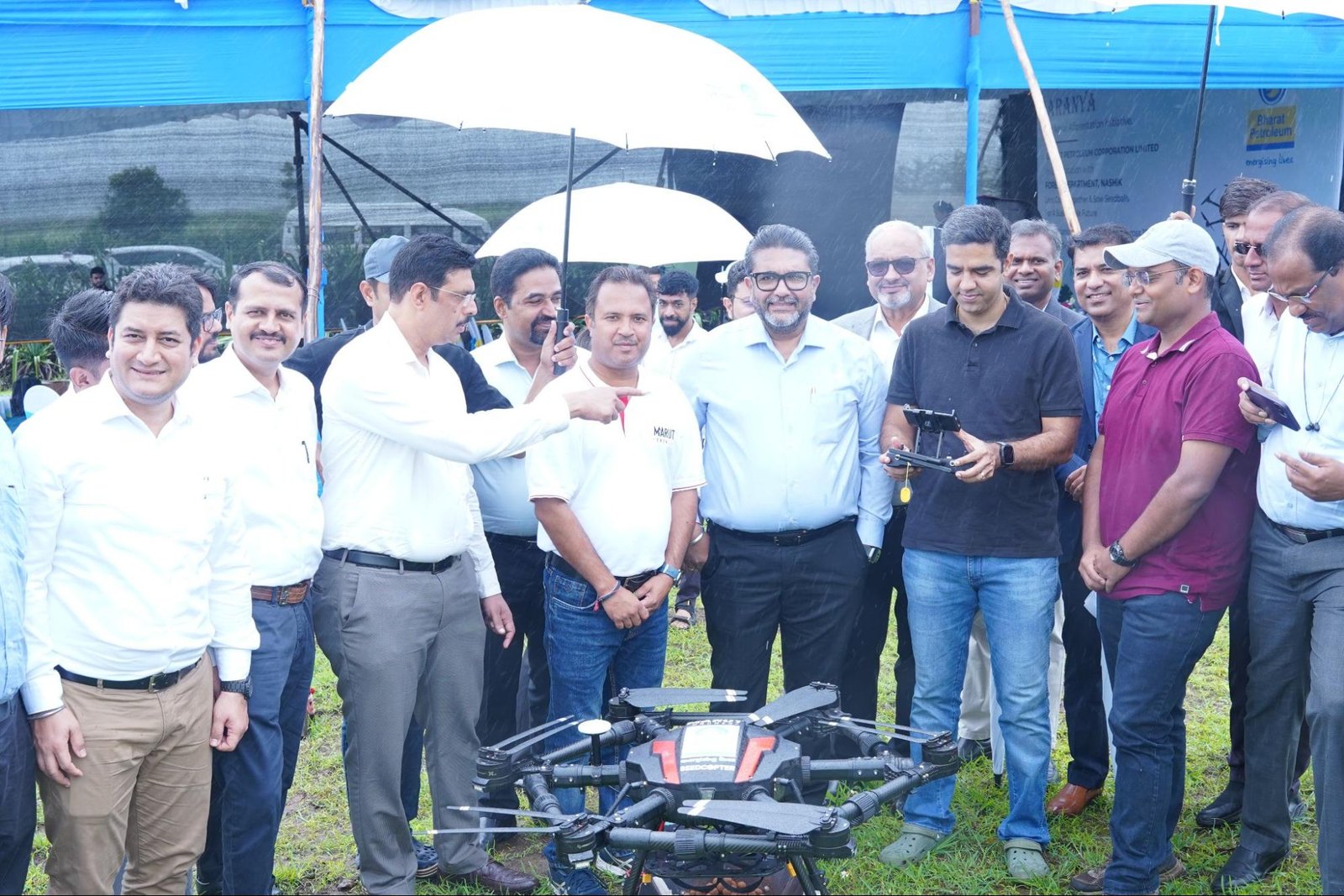
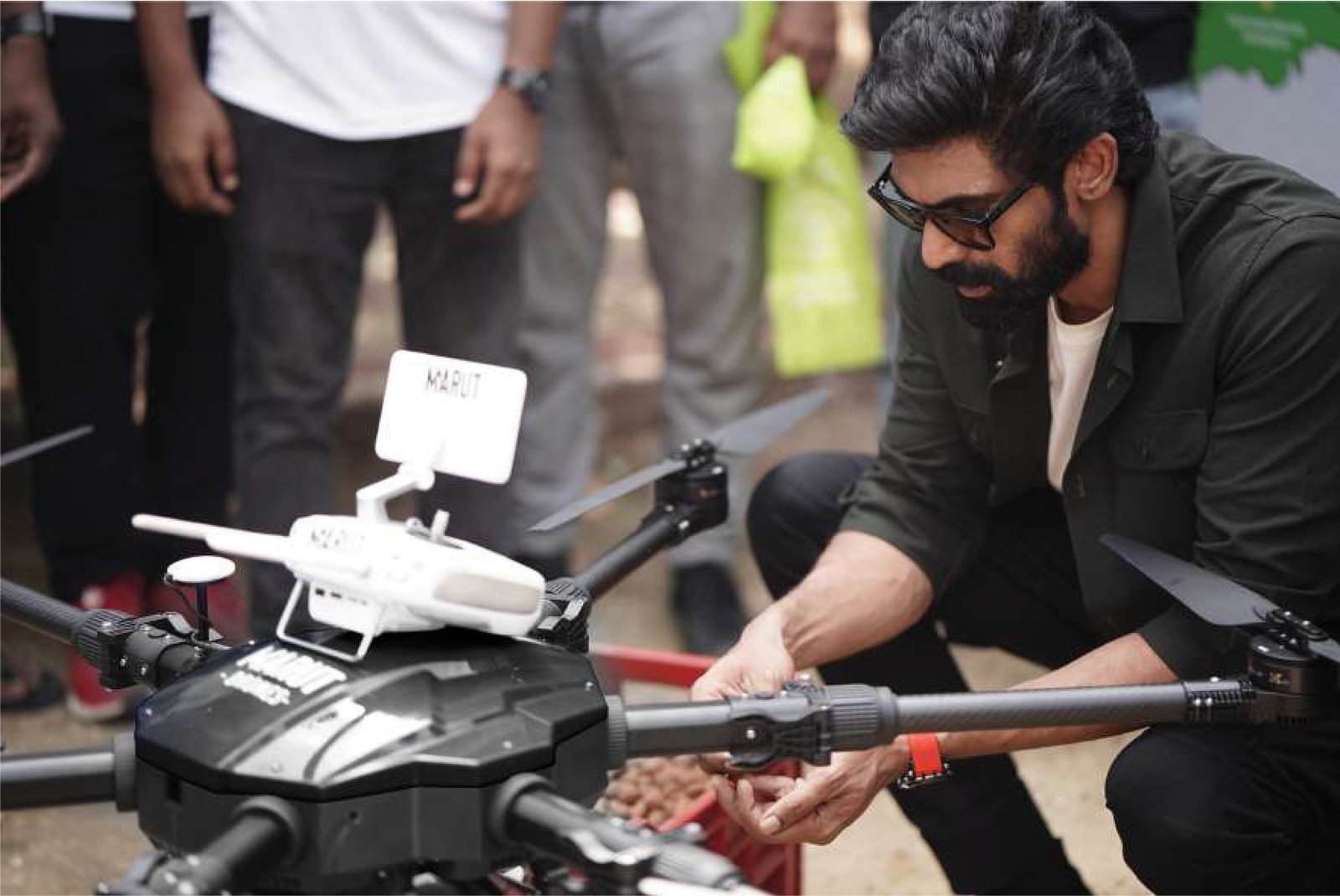
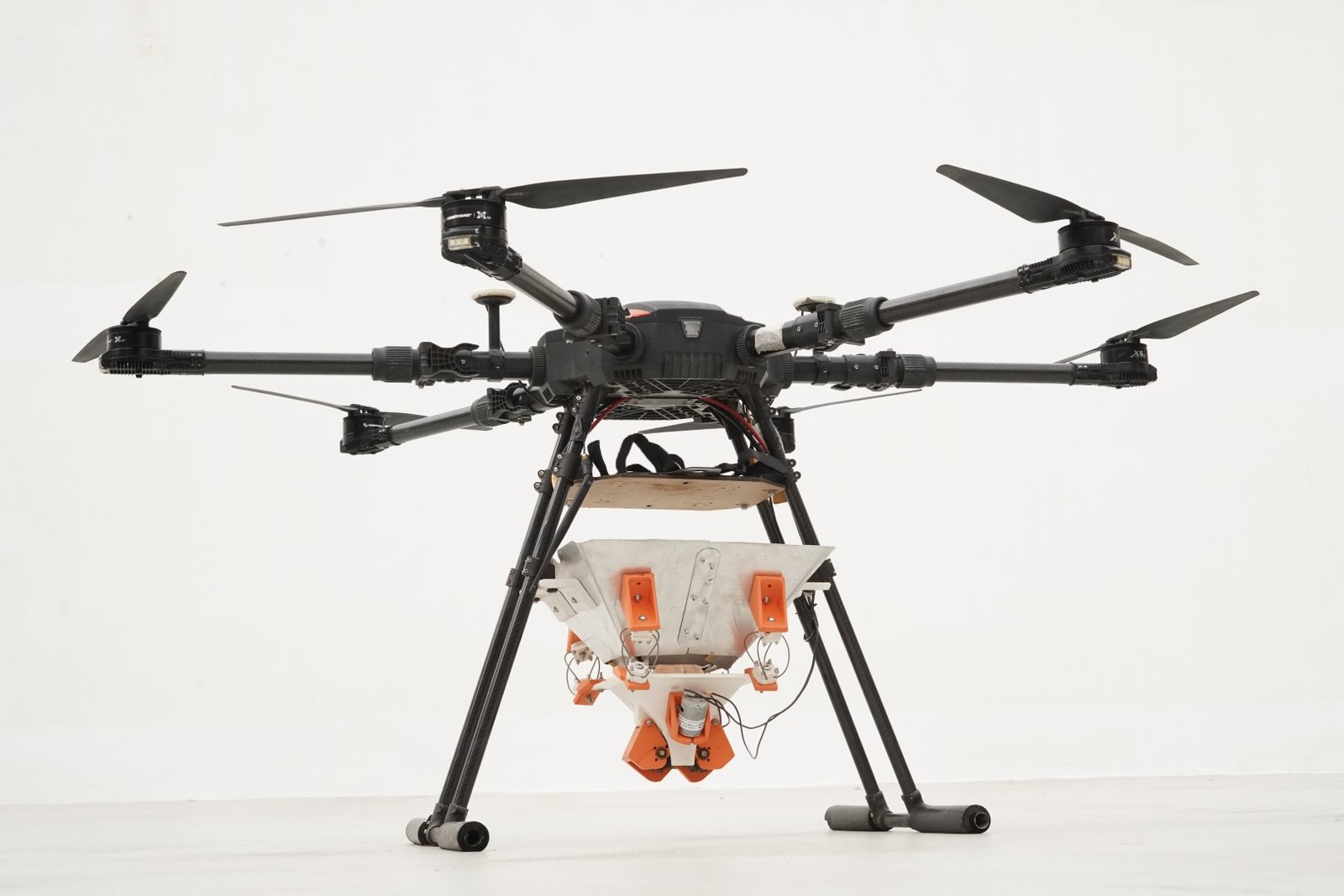
The Seedcopter is an aerial seed sowing drone built for large-scale seeding
and reforestation across Indian terrain.
and reforestation across Indian terrain.
Trees to be planted by 2030
Forest Ecosystems being restored
Districts mobilized for climate action
To restore degraded landscapes at scale by combining UAV technology, ecological science, and community participation making reforestation faster, smarter, and more accessible across India.
Seedcopter’s mission is to enable large area, efficient aerial seeding in regions where traditional plantation methods fall short, while creating meaningful local and women-led employment linked to environmental conservation.
We envision a greener, more climate resilient India where technology and communities come together to restore nature at scale.
By 2030, Seedcopter aims to:
1. Enable the planting of 1 billion trees across India through scalable aerial seeding
2. Restore and strengthen 900 forest ecosystems, focusing on degraded and hard-to-reach landscapes
3. Mobilise communities across 1,400 districts to participate in collective climate action and ecosystem restoration
Up to 30 Kg
Up to 10 Kg
25 Minutes
10 Km
1500-2000 seedballs
High Precision GPS
AltusPlant GCS + AltusPlant Command Platform
Less than 20% of the Earth’s original forests remain unaffected by human activity. Vast forest areas continue to degrade faster than they can be restored through manual plantation methods.
Seedcopter enables rapid, large scale aerial seeding, making it possible to restore degraded landscapes efficiently, even in remote and hard to reach areas.
Populations of wild mammals, birds, fish, and reptiles have declined by nearly 60% over the last 50 years, largely due to habitat loss.
By dispersing native seed species through aerial seeding, Seedcopter supports ecosystem regeneration and helps revive natural habitats for long-term biodiversity restoration.
Rising temperatures and unpredictable weather patterns are increasingly affecting agriculture, water security, and rural livelihoods.
Seedcopter accelerates green cover regeneration, contributing to improved carbon absorption, better soil stability, and enhanced climate resilience.
Environmental conservation should also create meaningful local opportunities.
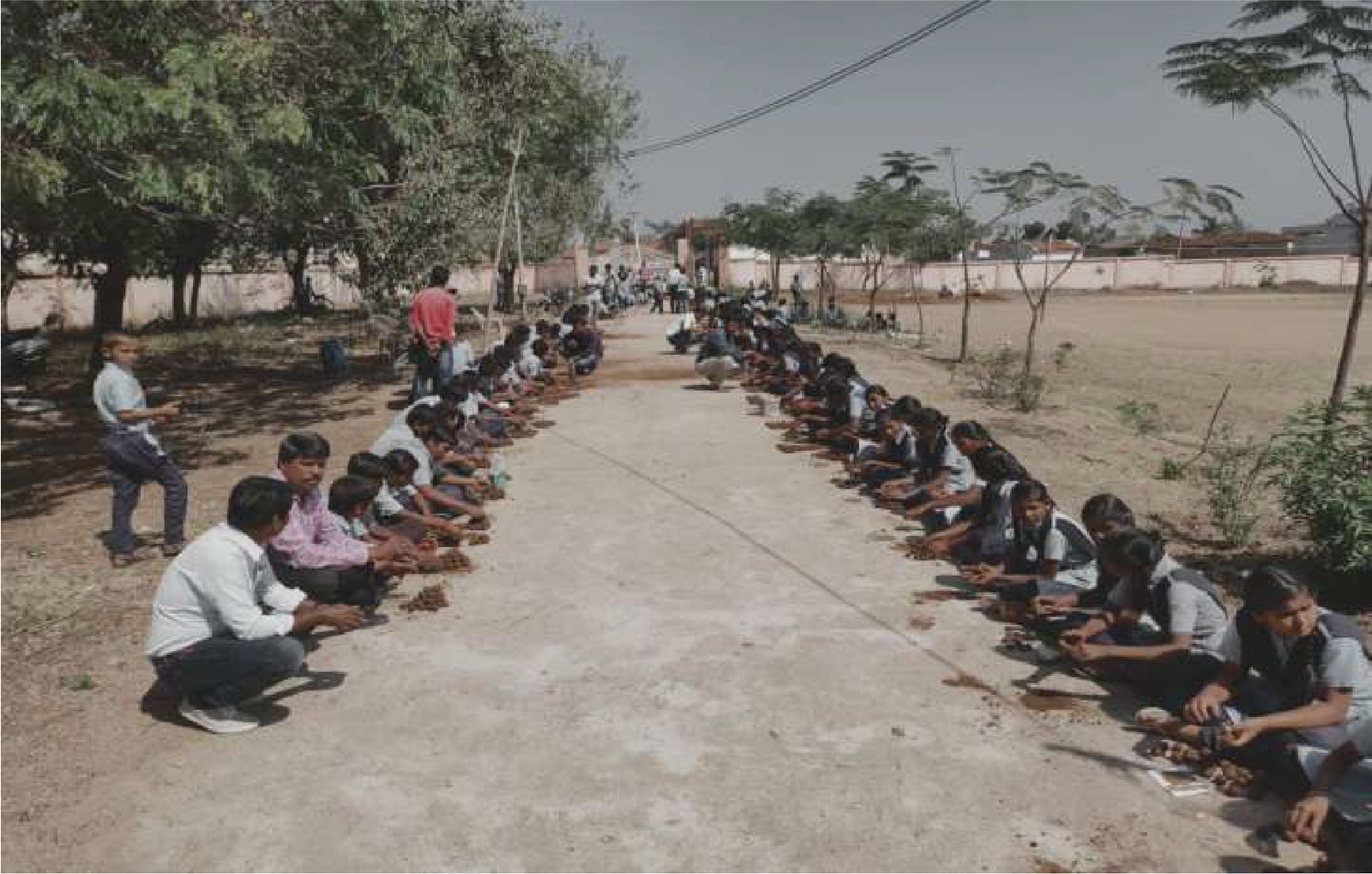
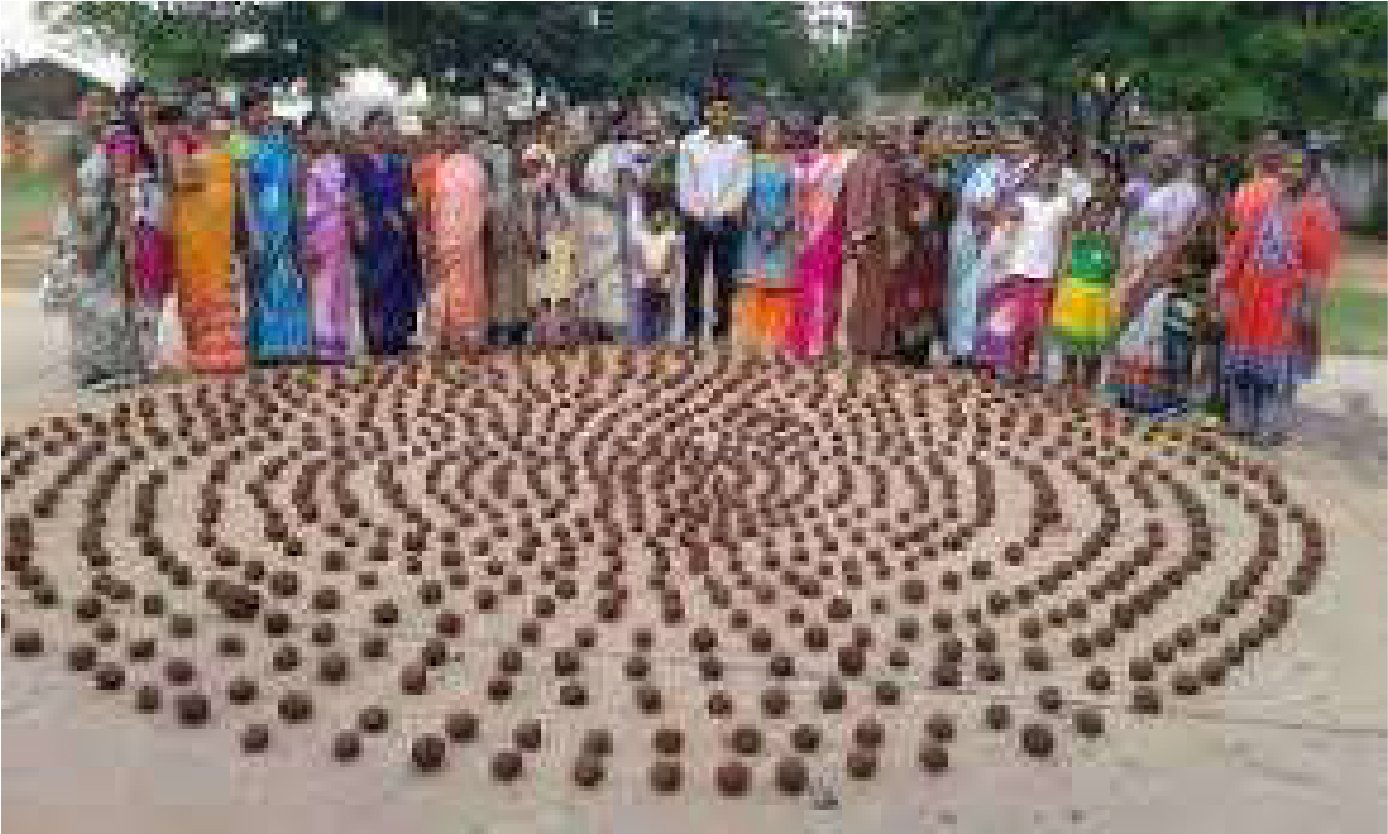
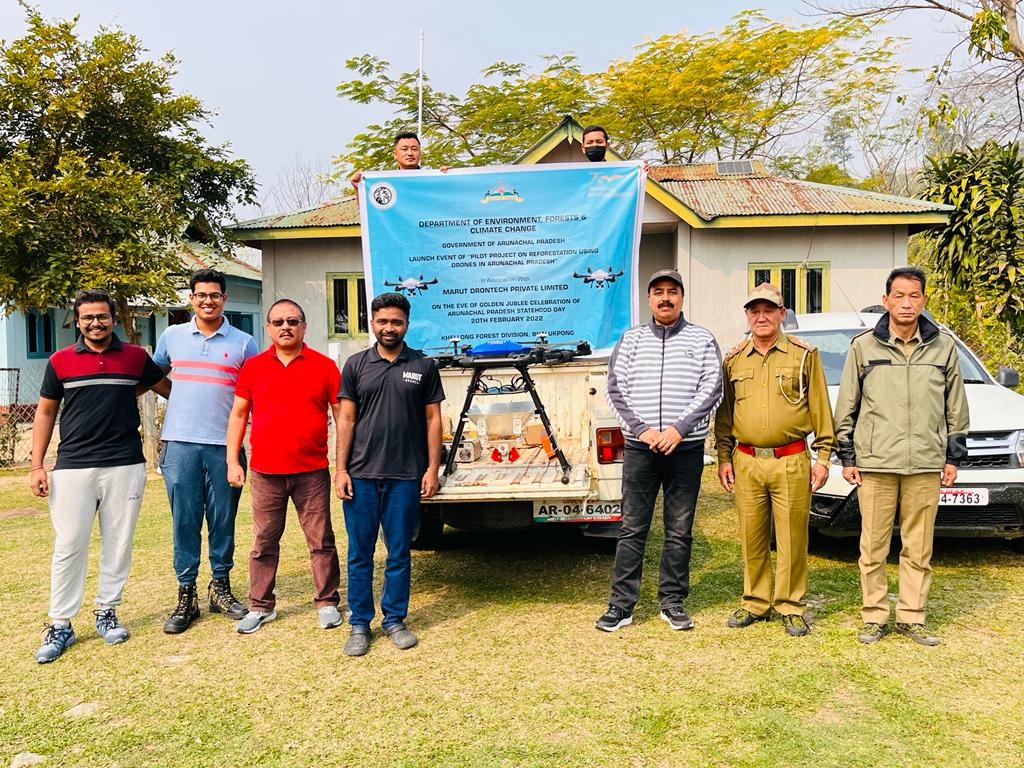
Seedcopter programs are designed to actively involve local communities, including women-led seed ball preparation, local operations, and conservation-linked employment ensuring sustainability beyond technology.
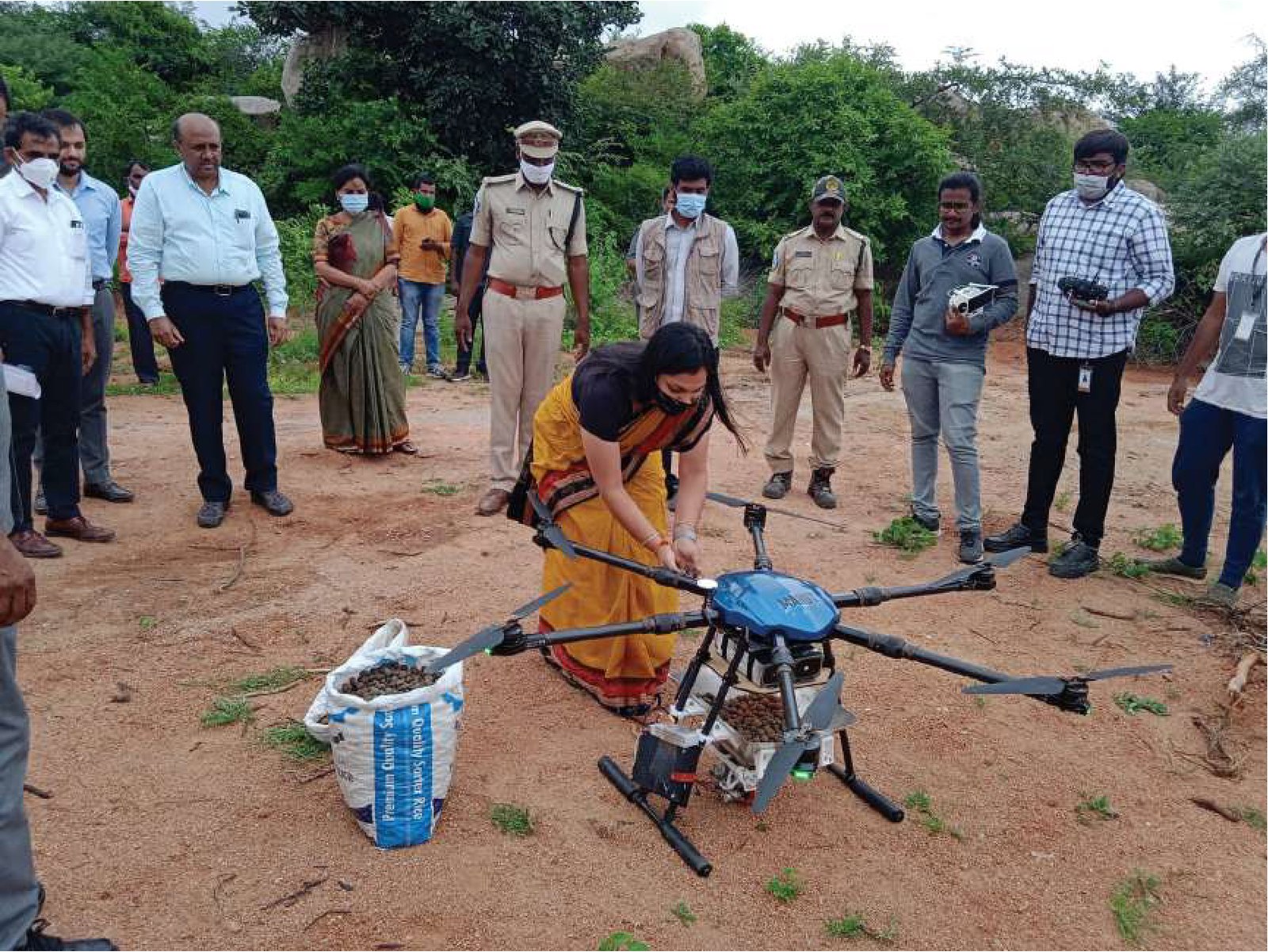
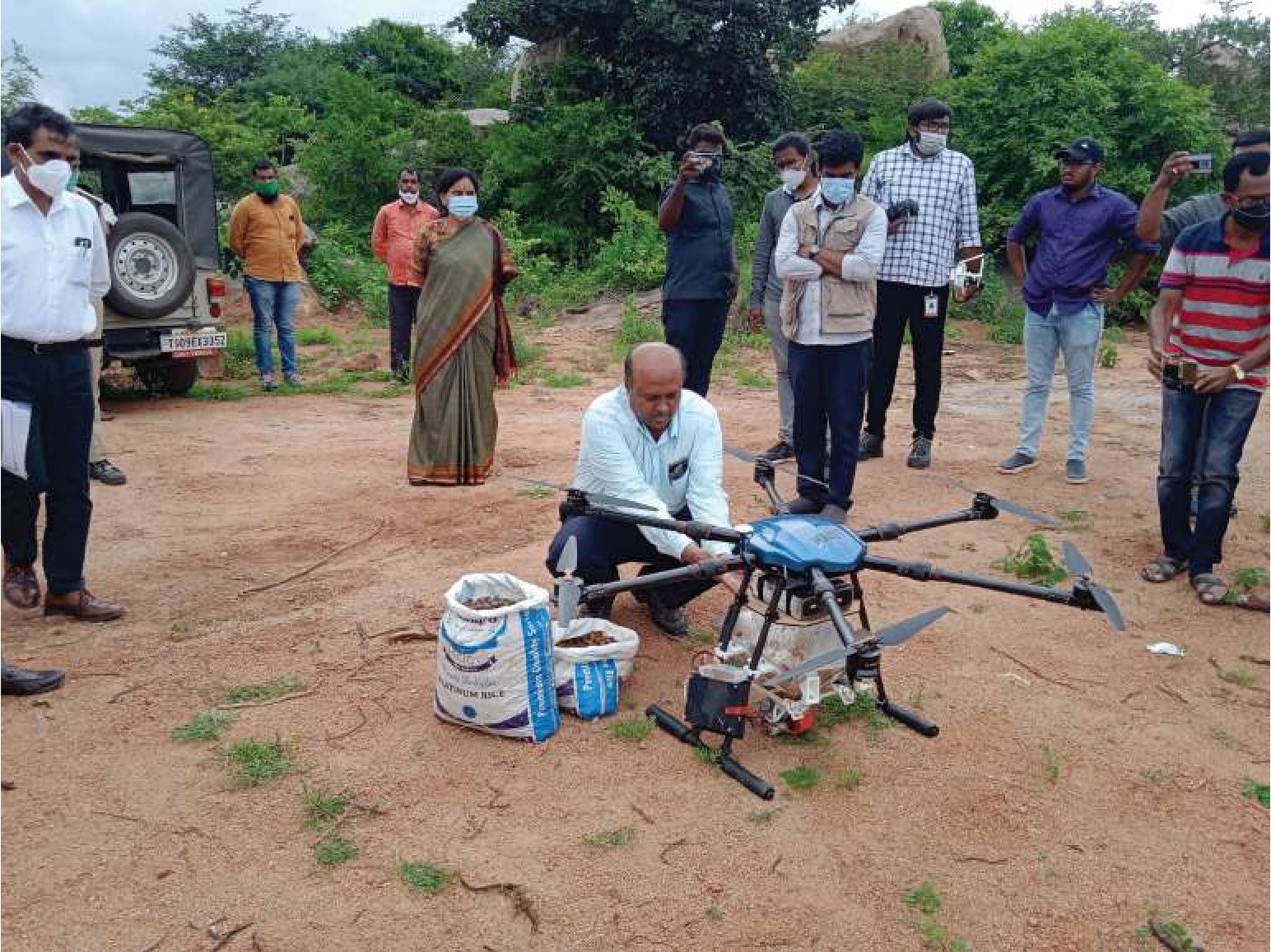
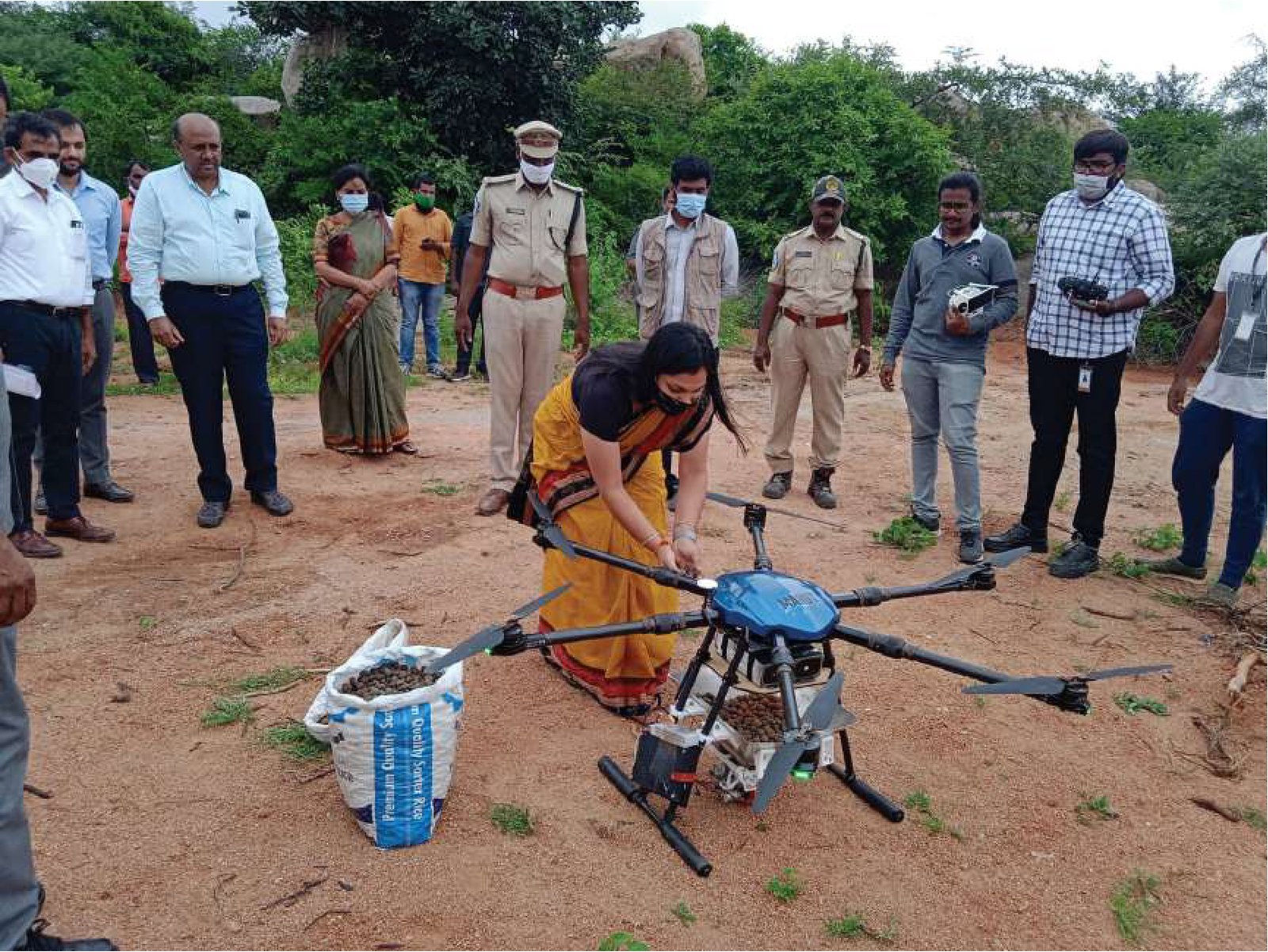
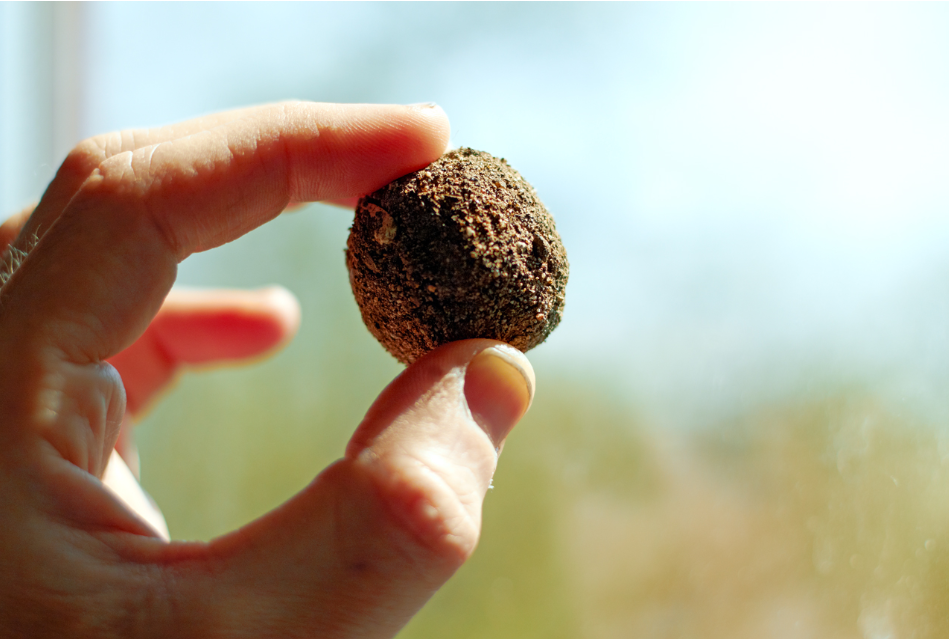
The process begins with carefully selected native seeds, sourced in collaboration with forestry experts, NGOs, or local authorities. These seeds are converted into seed balls : a protective mix of soil, nutrients, and natural binders.
Seed balls protect seeds from birds and harsh weather, increasing germination chances after dispersal.
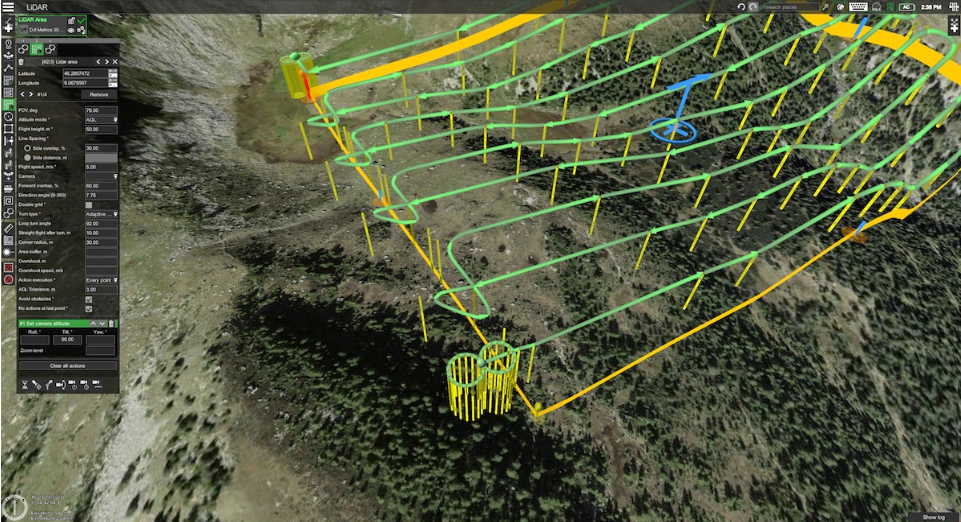
Before deployment, the target area is mapped and analysed using drone-based surveys and GIS tools.
Proper planning ensures uniform seed coverage, avoids wastage, and adapts the operation to different terrains such as hills, degraded forests, or mining lands.
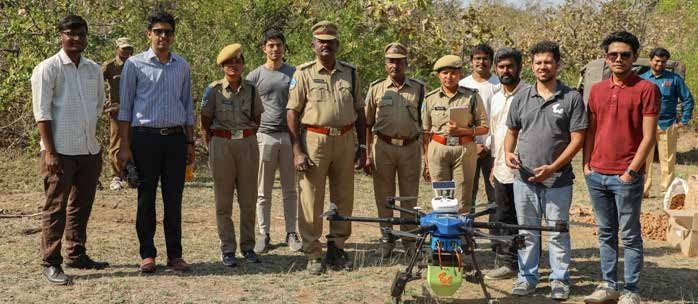
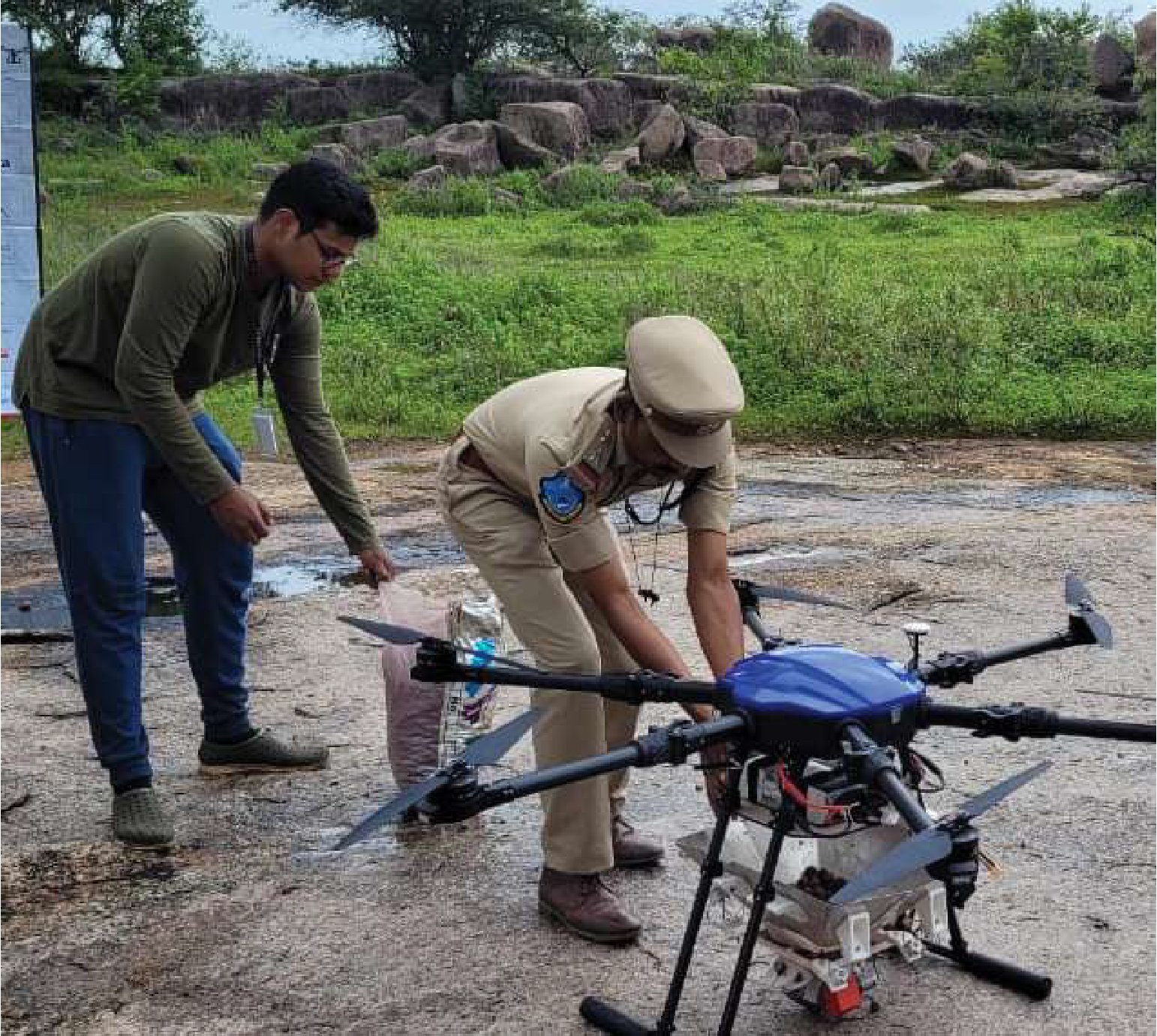
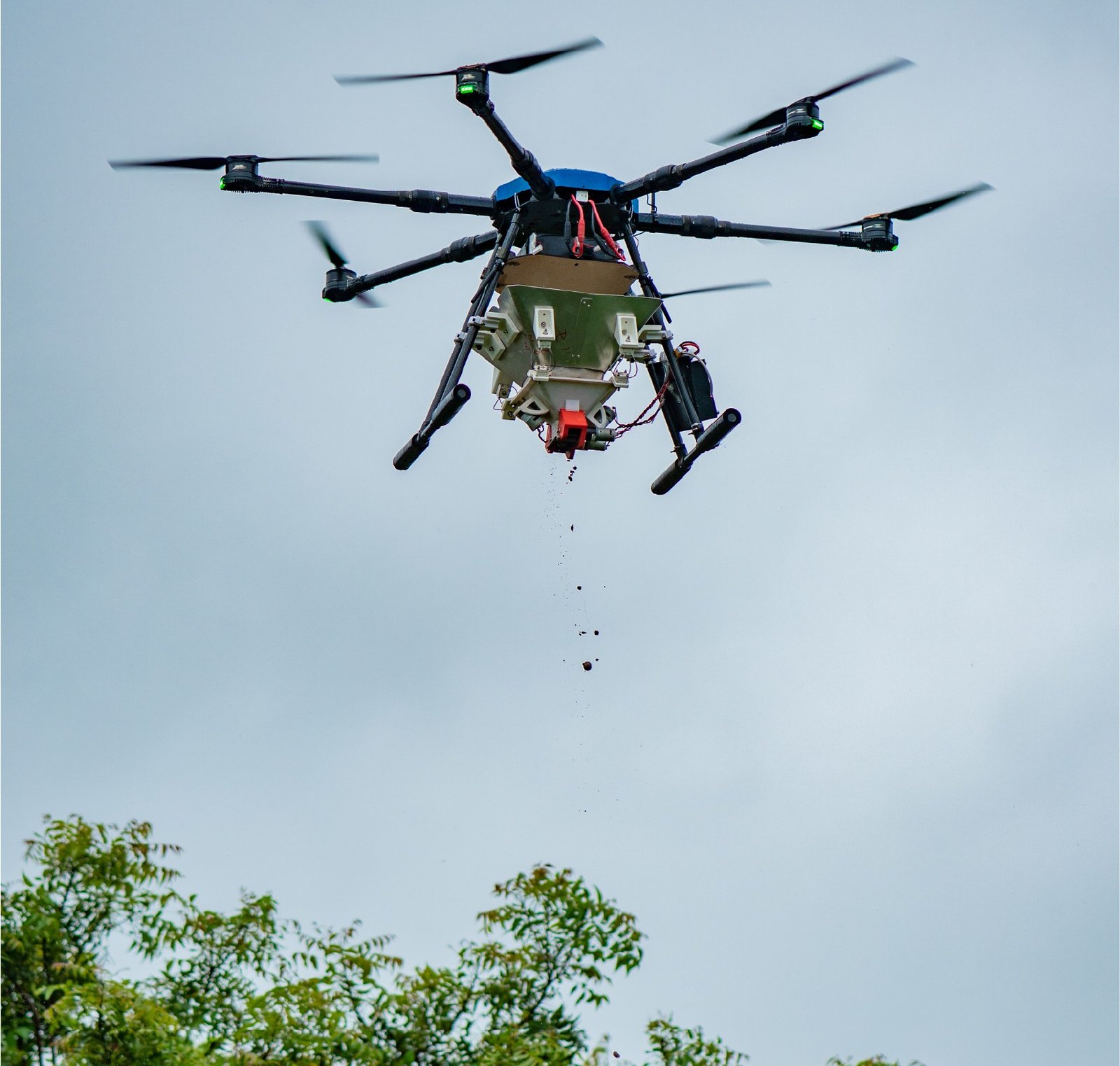
Once planning is complete, Seedcopter deploys seed balls accurately across the mapped area. The drone flies at controlled altitude and speed to ensure even and precise dispersal, covering large areas quickly including regions that are unsafe or inaccessible for manual planting.
Aerial dispersal enables rapid, large-scale reforestation with minimal human intervention and reduced time on the ground.
To track outcomes, post-seeding monitoring can be conducted using drones and periodic site assessments.
Data backed monitoring supports impact measurement, transparency for stakeholders, and informed planning for future interventions.